Crossword puzzles often make simple ideas feel surprisingly tricky, and the clue “optimistic exclamation” is a perfect example. While the phrase sounds easy, solvers often pause when trying to find an answer that fits both the meaning and the grid.
This clue appears in puzzles of all levels and follows specific conventions. Understanding how constructors use it can make solving faster, easier, and far more enjoyable, improving both your speed and accuracy.
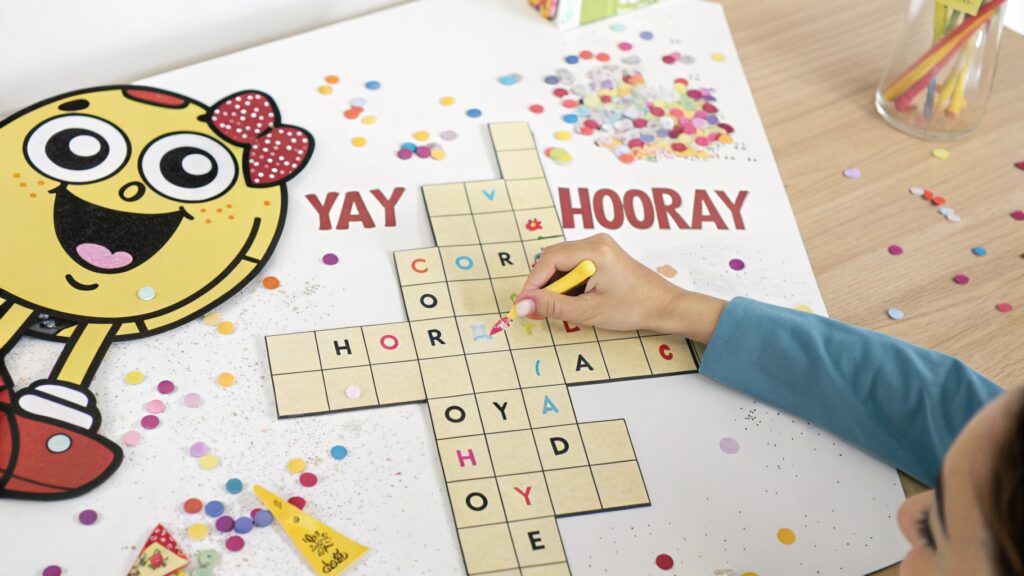
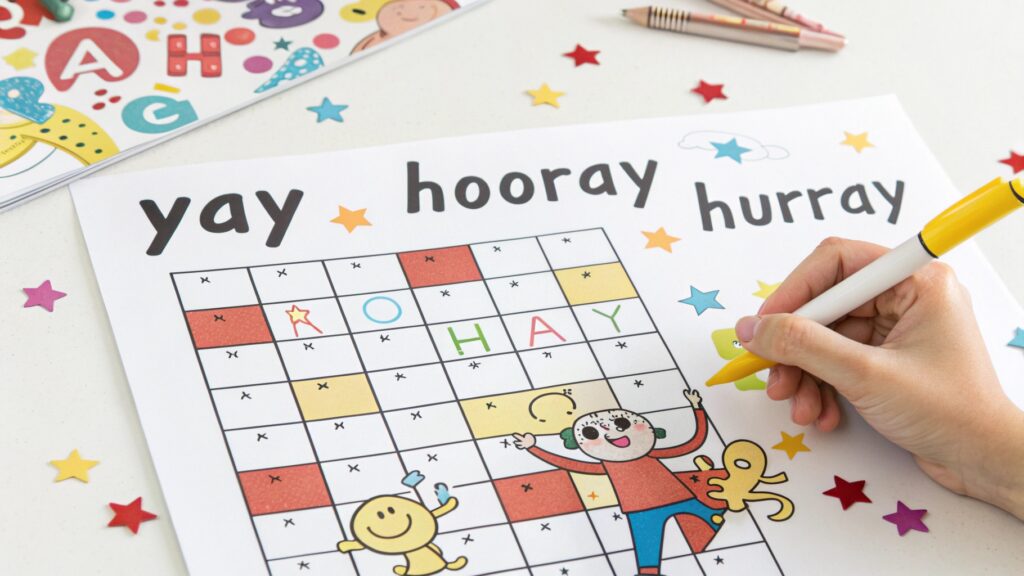
Optimistic exclamation crossword clue refers to cheerful, positive interjections like “YAY” or “HOORAY,” expressing excitement, hope, or joy in puzzles…
What Does “Optimistic Exclamation” Mean in Crossword Puzzles?
In crosswords, the clue “optimistic exclamation” points to a spoken reaction expressing hope or positivity, rather than a descriptive or abstract word. Crossword answers often reflect real-life conversational language. This means the correct solution should sound natural when said aloud and convey emotional immediacy.
Spoken Reactions vs. Descriptive Words
Many solvers confuse optimistic adjectives with exclamations. Words like confident, hopeful, or positive describe a mindset but are rarely used as standalone exclamations. Puzzles expect phrases or short reactions that someone might say aloud in response to hopeful or uncertain news. For example, “I hope so!” works well, whereas “optimistic” alone does not.
Why the Clue Is So Common
Constructors frequently use this clue because it is flexible, timeless, and easy to reuse. It works across different grid sizes and difficulty levels. Since optimistic expressions are part of everyday speech, the clue feels familiar but still allows for creativity, keeping puzzles engaging for solvers of all skill levels.
Emotional Balance in Crossword Puzzles
Crossword puzzles are carefully constructed to balance:
- Neutral or factual clues
- Challenging or thematic clues
- Light, conversational clues
“Optimistic exclamation” falls into the light, conversational category. It adds emotional warmth and humanizes the puzzle experience, preventing grids from feeling mechanical or dry.
Reusability Across Puzzle Types
This clue works in:
- Daily newspaper crosswords
- Themed or holiday puzzles
- Mini or quick puzzles
It does not rely on pop culture, specific events, or specialized knowledge. This makes it timeless and universally accessible, ensuring that solvers can approach it without prior knowledge.
Common Answer Patterns for Optimistic Exclamation
Despite sounding open-ended, crossword history reveals patterns in common answers:
- Mildly hopeful reactions
- Conversational phrases rather than long sentences
- Short expressions that can fit multiple grid sizes
Constructors often use familiar patterns repeatedly, allowing experienced solvers to recognize them quickly.
Characteristics of Typical Answers
Most optimistic exclamation answers:
- Express hope without exaggeration
- Sound natural in spoken English
- Can appear in multiple crosswords
- Are flexible in length and easily clueable
This combination of traits makes them reliable for solvers.
Optimistic Exclamations by Letter Count
Letter count is crucial for solving. Even if a phrase perfectly conveys hope, it must fit the available grid space. Recognizing typical letter ranges helps narrow down possibilities.
Short Answers
These include minimal, instant reactions like “Yay,” “Ah,” or “Oh.” Short answers are ideal for compact grids and beginner-friendly puzzles. They communicate optimism efficiently with minimal letters.
Medium-Length Answers
Medium-length answers often resemble natural speech while fitting most grids. Examples include “I hope” or “Fingers.” These answers are common in daily crosswords and strike a balance between clarity and space efficiency.
Long Answers
Longer expressions like “Here’s hoping,” “Fingers crossed,” or “All will be well” usually appear in themed or weekend puzzles. They offer a full conversational feel but are less frequent due to size constraints.
Why Spoken Language Matters More Than Grammar
Crosswords prioritize spoken over formal language. Exclamations are intended to reflect how people actually communicate. Casual phrasing, contractions, and short sentences dominate this clue type. This makes answers relatable and instantly recognizable.
Examples of Spoken Optimism
- “I hope so!”
- “Fingers crossed”
- “Here’s hoping”
Such phrases sound natural and convey positive expectations without requiring complex grammar.
How Crossword Constructors Think About Optimistic Clues
Constructors carefully select clues to balance tone and difficulty. Optimistic exclamations add human touch to a grid, offering relief from more serious or factual clues. They also give solvers a small psychological boost, making the solving process more enjoyable.
Emotional Impact in Puzzles
Optimistic expressions provide contrast against challenging clues. They are psychologically satisfying, giving solvers confidence when they recognize familiar phrases. This creates a rewarding solving experience.
Predictability for Solvers
Constructors often reuse patterns for repeated clues. Experienced solvers recognize these patterns and can anticipate answers even before filling all letters, increasing efficiency.
How to Approach the Clue Successfully
Many solvers overthink this clue, brainstorming abstract concepts like “confidence” or “success.” Crossword logic usually demands something concrete and spoken.
Imagining Real-Life Reactions
Picture a moment of uncertainty followed by hope. What would you say aloud? By thinking this way, you align your intuition with the constructor’s intentions and find plausible answers faster.
Using Crossing Letters to Confirm
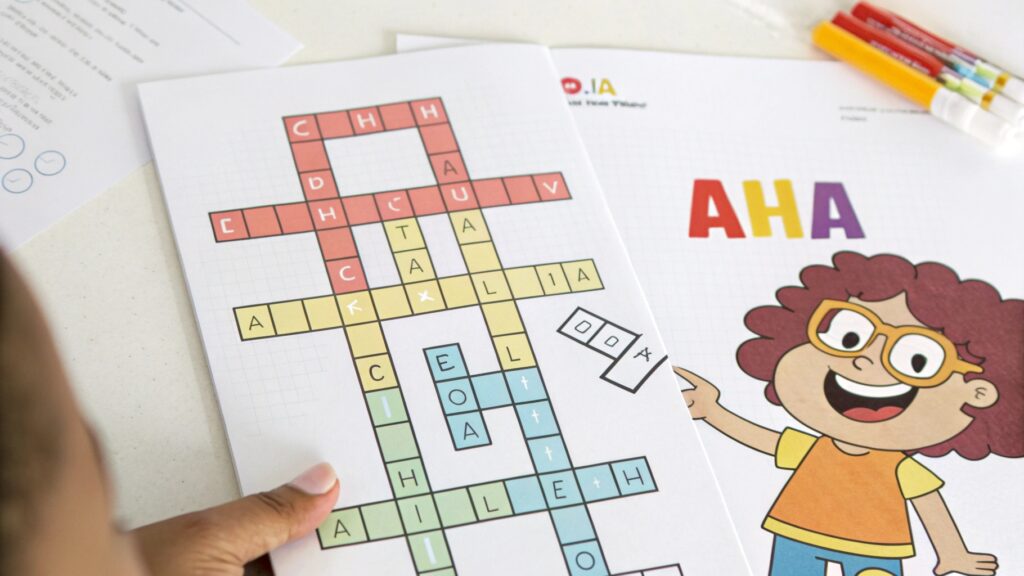
Crossing letters help verify whether a guessed answer fits. Even if a phrase seems slightly awkward, correct alignment with crossings usually indicates it is correct.
Optimistic Exclamations Across Different Crossword Types
This clue is used in various puzzle types:
- Daily newspapers
- Themed puzzles
- Mini crosswords
- Weekend or larger grids
Its versatility makes it suitable for solvers of all skill levels.
Easier Puzzles
In simpler puzzles, the answer is often predictable and commonly used, allowing beginners to solve confidently.
Harder Puzzles
In challenging crosswords, solutions may be less obvious. Solvers must rely on intuition and crossing letters to narrow down the answer.
Letter Count Tips for Solvers
Understanding letter ranges is critical:
- Short (2–4 letters): “Yay,” “Ah,” “Oh”
- Medium (5–7 letters): “I hope,” “Fingers”
- Long (8+ letters): “Here’s hoping,” “All will be well”
Estimating length before checking crossings saves time and prevents frustration.
Common Mistakes Solvers Make
- Overthinking abstract ideas
- Ignoring natural spoken language
- Not checking letter counts
- Assuming answers must be perfect sentences
Avoiding these mistakes improves accuracy and speed.
Strategies for Fast Solving
- Think in terms of spoken reactions
- Focus on mild optimism, not extreme excitement
- Use crossing letters to eliminate impossible options
- Recall frequently used phrases in previous puzzles
Additional Patterns and Phrases to Know
- Words including “hope”
- Mildly upbeat reactions
- Casual, conversational tones
These patterns increase recognition speed and accuracy.
Frequently Asked Questions (FAQs)
What does “optimistic exclamation” mean in a crossword?
It refers to a short, spoken phrase expressing hope or positivity, not a descriptive or abstract word.
Is it usually a single word?
No. Many answers are short phrases that sound natural when spoken.
Why is this clue used so often?
It is flexible, timeless, and works across different puzzle formats and difficulty levels.
How do I know if my answer fits?
If it sounds like something someone would say aloud and conveys hope, it likely fits.
Does letter count matter as much as meaning?
Yes. Even a perfect idea will not work unless it fits the grid and crossing letters
Conclusion
The clue “optimistic exclamation” may appear simple but is carefully designed. By focusing on spoken reactions, emotional tone, and grid constraints, solvers can approach it with confidence. Recognizing typical answer patterns and imagining real-life speech moments makes this clue easier to solve and improves overall crossword skills, making puzzles more enjoyable and less frustrating.