Fascisterne, a term derived from Danish and Scandinavian roots meaning “the fascists,” represents far-right authoritarian movements that shaped 20th-century Europe. These movements, led by figures like Mussolini, Hitler, and Franco, promoted extreme nationalism, militarism, and suppression of dissent, leaving a lasting imprint on politics, society, and culture.
Understanding fascisterne is not just a historical exercise—it provides critical lessons for contemporary society, helping us identify the warning signs of extremism, authoritarianism, and hate-driven ideology. In this article, we explore the origins, ideology, historical impact, tactics, media influence, and modern relevance of fascisterne, empowering readers with knowledge to recognize and counter authoritarian tendencies.
Explore fascisterne’s history, ideology, media impact, and modern relevance. Learn lessons to safeguard democracy and prevent extremism…
Historical Origins of Fascisterne
Post-World War I Europe – Fertile Ground for Extremism
The devastation caused by World War I left Europe in political, economic, and social turmoil. Entire nations were struggling with war debts, inflation, and massive unemployment. This instability eroded faith in democracy and created fertile conditions for extremist movements, including fascisterne, to gain support.
Italy and the Birth of Fascism
Benito Mussolini founded the Italian Fascist Party in 1919. Promising national revival, order, and strength, Mussolini drew on nationalist rhetoric and authoritarian ideas. His use of propaganda, rallies, and paramilitary squads like the Blackshirts established a model of control that would inspire other fascisterne movements across Europe.
The Spread to Germany and Beyond
After Italy, fascisterne spread to Germany, where Adolf Hitler and the Nazi Party adapted the ideology to include racial purity and anti-Semitism. Other countries, including Spain under Francisco Franco, Hungary under Miklós Horthy, and Romania under the Iron Guard, saw similar movements, demonstrating how the ideology could adapt to different social and political contexts.
Scandinavia and Minor Movements
Although smaller in scale, fascisterne movements in Scandinavian countries mirrored the European model, emphasizing nationalism and authoritarian control. These groups often remained fringe but contributed to the broader awareness and fear of far-right extremism.
Core Ideology of Fascisterne
Extreme Nationalism
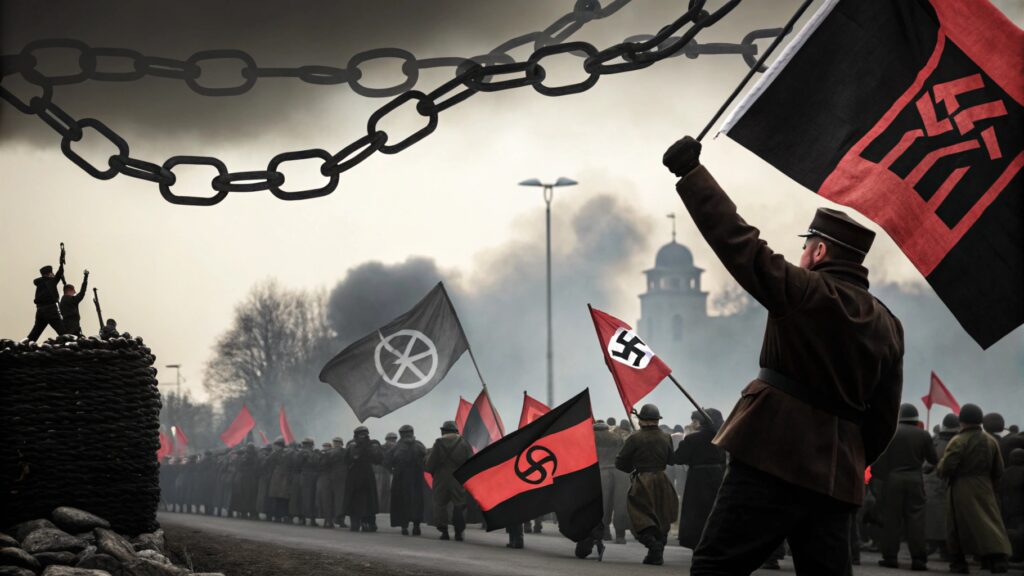
Fascisterne ideology centers on ultranationalism, promoting loyalty to the state above all else. This often involved excluding minorities, immigrants, and political opponents to unify followers under a singular national identity.
Authoritarian Leadership
A hallmark of fascisterne is a powerful, charismatic leader positioned as the embodiment of the nation. Mussolini and Hitler created cults of personality, demanding loyalty and obedience, with the state’s goals taking precedence over individual freedoms.
Militarism and Glorification of Violence
War and military strength were considered virtues. Fascisterne indoctrinated youth to idolize soldiers and military conquest, fostering societies where obedience and aggression were celebrated over freedom and individuality.
Suppression of Dissent
Fascisterne employed censorship, propaganda, and paramilitary violence to silence opposition. Media, academia, and political opponents were strictly controlled, creating a climate of fear and conformity.
Anti-Democracy and Anti-Communism
Fascisterne rejected liberal democracy and Marxist ideologies, presenting themselves as a “third way” to restore order. By portraying democracy as weak and communism as chaotic, they gained support from middle-class, nationalist, and conservative groups.
Racial Ideology and Eugenics
In certain movements, particularly Nazi Germany, racial theories and eugenics were central. Jews, Roma, Slavs, and other marginalized groups were dehumanized, leading to systemic persecution and genocide.
Key Figures of Fascisterne
Benito Mussolini
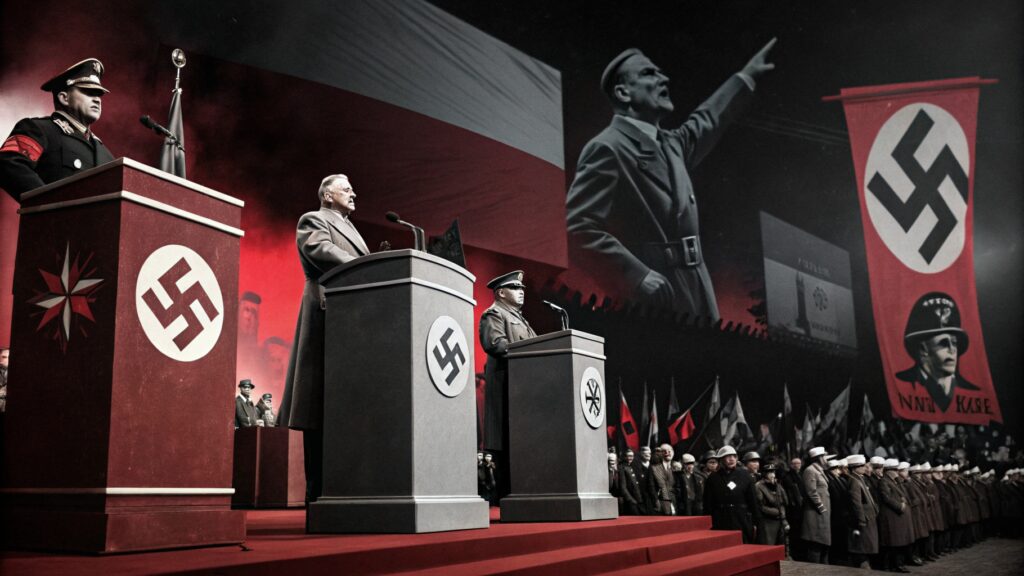
Mussolini’s vision created the template for fascisterne: a strong centralized state, aggressive nationalism, and propaganda mastery. His ability to manipulate public sentiment secured widespread support.
Adolf Hitler
Hitler adapted Mussolini’s ideas in Germany, emphasizing racial hierarchy and anti-Semitism. His authoritarian control, propaganda, and paramilitary forces led to catastrophic human suffering and the Holocaust.
Francisco Franco
Franco maintained authoritarian control in Spain while incorporating conservative, nationalist, and traditionalist principles. His regime highlighted regional adaptations of fascisterne ideology.
Other European Leaders
Miklós Horthy (Hungary), the Iron Guard (Romania), and Oswald Mosley (Britain) demonstrated the geographic reach of fascisterne. Though their influence varied, these figures contributed to the broader understanding of fascist methods and ideology.
Tactics of Power
Propaganda and Media Control
Fascisterne used propaganda to manipulate public opinion, using newspapers, radio, cinema, and education to control narratives and instill fear or loyalty.
Paramilitary Violence
Groups like Italy’s Blackshirts or Germany’s SA enforced fascisterne authority through intimidation, beatings, and public demonstrations of power.
Legal and Electoral Manipulation
Fascisterne often exploited democratic institutions to dismantle democracy itself, passing laws that centralized power and criminalized opposition.
Indoctrination of Youth
Organizations for children and teenagers promoted militarism, obedience, and ideological loyalty from an early age, ensuring long-term influence.
Economic Control
Fascisterne regulated industries, controlled labor relations, and implemented corporatist policies to align economic activity with state goals.
Societal Impact
Suppression of Civil Liberties
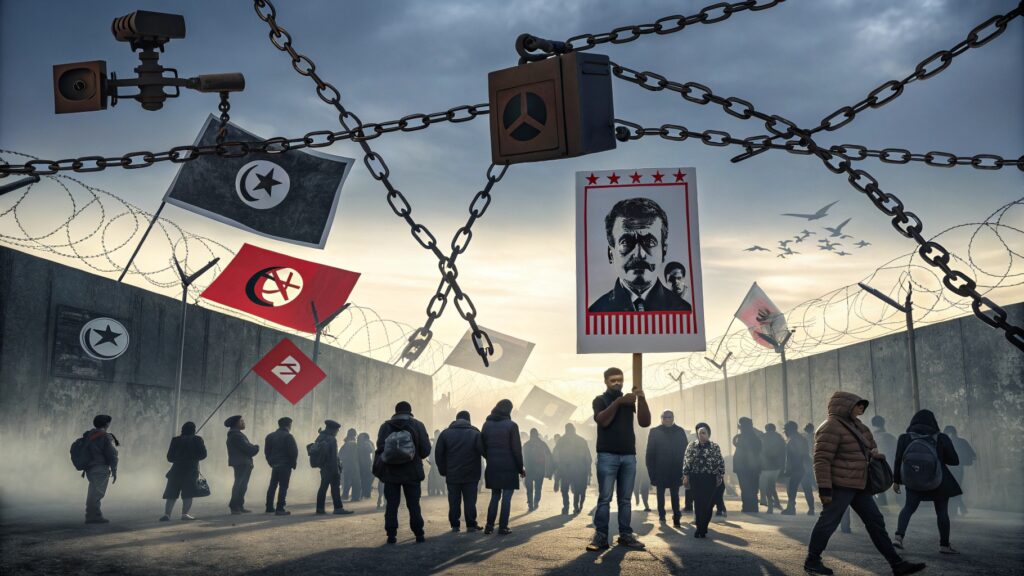
Freedom of speech, assembly, and press were severely curtailed. Citizens lived in fear, and dissent was punished with imprisonment, exile, or execution.
Cultural Manipulation
Education, art, and media were redesigned to glorify the state and leader while marginalizing or demonizing outsiders.
Human Rights Atrocities
Genocide, mass killings, and systemic persecution marked the darkest chapters of fascisterne, with the Holocaust as the most infamous example.
Social Polarization
Fascisterne regimes divided communities, fostering distrust and animosity that often persisted long after their fall.
Media’s Role in Fascisterne
Propaganda Machines
State-controlled media amplified fascisterne messages, silencing opposition and manipulating perceptions. Leaders like Goebbels in Germany exemplified mastery over media manipulation.
Modern Digital Echoes
Today, social media mirrors these tactics, allowing extremist ideologies to spread rapidly online, creating echo chambers that reinforce divisive rhetoric.
Importance of Media Literacy
Understanding propaganda and misinformation is crucial to prevent modern iterations of fascisterne from gaining traction in society.
Modern-Day Relevance
Resurgence of Far-Right Movements
Although historical fascisterne were defeated, far-right groups globally borrow tactics and rhetoric from these movements, emphasizing nationalism, exclusion, and authoritarianism.
Threats to Democracy
Populist leaders sometimes erode democratic institutions, vilify the press, and polarize societies, echoing fascisterne methods.
Learning from History
Studying fascisterne provides insights into early warning signs, enabling societies to safeguard human rights, democracy, and pluralism.
Lessons from History
Recognize Authoritarian Patterns
Early signs include fear-mongering, scapegoating, censorship, and suppression of dissent. Awareness helps prevent authoritarian resurgence.
Promote Civic Engagement
Educated, informed, and involved citizens are less susceptible to manipulation and more likely to resist extremist ideologies.
Foster Inclusion and Unity
Fascisterne thrive on division. Promoting empathy, diversity, and collective action counters extremist narratives effectively.
Media Literacy and Critical Thinking
Recognizing propaganda, questioning narratives, and verifying information are essential in resisting ideological manipulation.
Frequently Asked Questions (FAQs)
Q1: What does “fascisterne” mean?
It’s Danish for “the fascists,” describing supporters of authoritarian far-right movements in Europe.
Q2: How did fascisterne rise to power?
Through economic crises, political instability, propaganda, fear, and suppression of opposition.
Q3: Are fascisterne and Nazism the same?
Nazism is a subset of fascism with extreme racial ideology, while fascisterne covers broader authoritarian movements.
Q4: Can fascism appear in modern democracies?
Yes. Authoritarian tactics can emerge subtly in democracies through misinformation, fear, and polarizing rhetoric.
Q5: Why study fascisterne today?
To learn lessons from history, recognize warning signs, and safeguard democracy and human rights.
Conclusion
Fascisterne movements reshaped Europe through authoritarianism, nationalism, and propaganda, leaving a lasting societal and cultural impact. Understanding their origins, ideology, and tactics equips us to recognize and counter modern threats. By fostering education, civic engagement, media literacy, and inclusion, societies can resist extremism and protect democracy. Learning from history ensures that the horrors of fascisterne are never repeated, safeguarding future generations from authoritarian ideologies.
Related posts:
- https://snowdaycalculatores.com/sosoactive/
- https://snowdaycalculatores.com/attrities/
- https://snowdaycalculatores.com/gaymetu-e/