Duaction is transforming how we learn, work, and live. By combining action with knowledge, it bridges the gap between theory and practice. This dual-action approach improves cognitive skills, emotional well-being, and personal growth.
From education and workplace training to hobbies and daily routines, Duaction encourages active engagement. In this article, we explore its principles, real-life applications, benefits, and strategies to implement it effectively in everyday life.
Discover Duaction, the dual-action approach that blends learning and doing. Boost skills, productivity, and growth in education, work, and daily life…
Understanding Duaction: The Dual-Action Approach
Definition and Core Concept
Duaction is derived from “dual” and “action,” representing the simultaneous learning and applying of knowledge. Unlike traditional methods that separate theory and practice, Duaction merges them, creating a continuous feedback loop for faster skill acquisition.
Origin and Growth of the Concept
Initially popular in education and corporate training, Duaction gained traction as learners sought more efficient methods in the digital era. Modern workplaces and schools now value hands-on experience alongside theoretical understanding.
Why Duaction Matters in Today’s World
In an information-rich society, knowing facts is insufficient. Success depends on the ability to apply knowledge immediately. Duaction helps learners close this gap, enhancing learning retention, creativity, and adaptability.
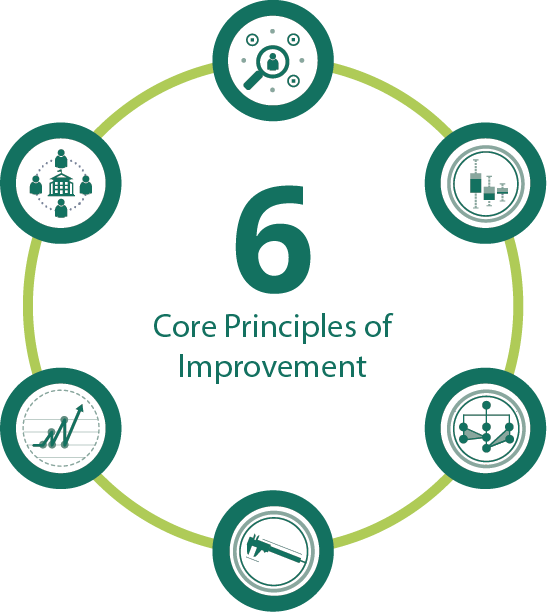
Core Principles of Duaction
Active Participation is Key
Passive learning is ineffective. Duaction promotes hands-on engagement, ensuring learners practice as they absorb information. This strengthens neural pathways, improves understanding, and keeps motivation high.
Real-Time Feedback for Continuous Improvement
Mistakes aren’t failures—they’re learning opportunities. Immediate feedback allows learners to adjust strategies, reinforce understanding, and gain confidence in their abilities.
Reflective Learning and Analysis
Reflection transforms action into mastery. After completing a task, analyzing what worked and what didn’t ensures lessons are internalized and can be applied more effectively next time.
Balancing Theory and Practice
Duaction bridges the gap between knowing and doing. Theory provides a foundation, while action solidifies understanding, creating a holistic learning experience.
Duaction in Education
Transforming Traditional Classrooms
Duaction is reshaping learning environments. Project-based learning, experiential labs, and collaborative exercises engage students in real-world applications of knowledge.
Examples of Duaction in Schools
- Coding Bootcamps: Students build software from the first lesson.
- Language Immersion: Learners converse in real-life scenarios instead of memorizing vocabulary.
- Science Experiments: Practical experiments complement theoretical lessons.
Benefits for Students
- Improved skill retention
- Critical thinking development
- Increased engagement and curiosity
- Preparation for real-world challenges
Case Study: Duaction in STEM Education
Schools integrating robotics projects allow students to apply math, programming, and engineering concepts simultaneously. Results show higher problem-solving skills and increased motivation compared to traditional lecture-based methods.
Duaction in the Workplace

Modern Corporate Training
Traditional seminars are less effective than hands-on simulations. Duaction emphasizes scenario-based training, on-the-job practice, and role-playing, preparing employees for real-world challenges.
Upskilling Through Practice
Immediate application of skills accelerates learning and increases adaptability. Duaction reduces the gap between training and implementation.
Real-Life Examples in Business
- Customer Service Training: Role-plays simulate real situations for practical learning.
- Software Development: Employees build, test, and refine software concurrently.
- Leadership Workshops: Scenario simulations teach decision-making and team management.
Enhancing Team Collaboration
Duaction promotes shared learning. Collaborative projects improve communication, collective problem-solving, and innovation in the workplace.
Duaction in Daily Life
Applying Duaction Outside Work
Duaction can enhance personal growth, hobbies, and daily routines. By combining learning with action, individuals develop practical skills while improving cognitive function.
Examples of Daily Applications
- Cooking while learning about nutrition and cooking techniques
- Exercising while listening to educational podcasts
- Gardening while understanding plant biology
- DIY home projects that teach practical and technical skills
Benefits for Mental and Physical Health
- Boosts cognitive function and memory
- Reduces stress through active engagement
- Enhances coordination, dexterity, and cardiovascular health
Emotional Benefits
Engaging in dual-action activities releases endorphins, promotes joy, and strengthens social connections. Duaction encourages resilience and a sense of accomplishment.
Cognitive and Neuroscientific Insights
Enhanced Memory Through Duaction
Active learning stimulates multiple brain areas simultaneously, creating stronger neural pathways that improve retention and recall.
Improved Problem-Solving Skills
By applying knowledge immediately, learners encounter real challenges, improving their analytical and critical thinking abilities.
Neuroplasticity and Adaptability
Regular engagement in Duaction enhances neuroplasticity, allowing the brain to adapt to new situations and information efficiently.
Emotional Intelligence and Social Skills
Duaction fosters empathy, teamwork, and emotional awareness through collaborative learning and shared experiences.
Tools and Techniques for Practicing Duaction
Project-Based Learning
Learn a concept, then build a project to apply it in practice. Projects simulate real-life scenarios, enhancing understanding.
Simulations and Role-Playing
Scenario-based exercises prepare learners for high-stakes situations safely and effectively.
Journaling and Reflection
Documenting actions and outcomes reinforces knowledge, encourages critical thinking, and promotes continuous improvement.
Technology-Assisted Learning
- AR/VR platforms for immersive experiences
- AI-driven platforms providing personalized real-time feedback
- Interactive mobile apps for dual-action exercises
Overcoming Challenges in Duaction
Resistance to Change
Many prefer traditional methods. Overcoming mindset barriers is crucial for successful implementation.
Balancing Theory and Practice
Too much action without foundation or too much theory without application reduces effectiveness. Duaction requires careful balance.
Time Management
Integrating dual-action activities requires planning. Start with small steps, then gradually increase complexity.
Motivation and Confidence
Fear of failure or comparison can hinder participation. Creating supportive environments and celebrating small wins fosters engagement.
Implementing Duaction Successfully
Getting Started
- Begin with small, manageable projects
- Incorporate activities into daily routines
- Gradually increase difficulty and complexity
Continuous Improvement
Use feedback and reflection to adjust strategies, ensuring long-term growth and mastery.
Integrating Duaction in Teams
Collaborative projects enhance communication, problem-solving, and innovation while making learning enjoyable.
The Future of Duaction
Integration with Technology
AR/VR simulations and AI-driven learning tools are making Duaction more interactive and personalized.
Evolution of Learning and Workplaces
Schools and offices are becoming learner-centric and experiential, emphasizing hands-on engagement over passive learning.
Long-Term Benefits
Individuals who adopt Duaction develop adaptability, resilience, and advanced cognitive skills, preparing them for a rapidly changing world.
Duaction for Personal Growth
Self-Improvement Strategies
Engage in activities that challenge both mind and body, such as sports, creative arts, and skill-based hobbies.
Habit Formation Through Action
Link new habits to existing routines. Practicing new skills consistently turns actions into long-term habits.
Emotional and Social Development
Duaction builds confidence, resilience, and stronger social connections by encouraging active participation in group activities.
FAQs
Can Duaction be applied to any age group?
Yes, from young students to adults, Duaction enhances learning and engagement at every stage.
Is Duaction only for education and work?
No, it applies to hobbies, personal development, and daily routines.
How long to see benefits?
Consistent practice over weeks improves memory, cognitive skills, and well-being.
Do I need special tools for Duaction?
Not necessarily. Everyday activities, DIY projects, and technology can all be used.
Can Duaction improve career growth?
Yes. Immediate application of knowledge builds practical skills, enhancing workplace performance and creativity.
Conclusion
Duaction is a transformative approach blending learning and action, improving skills, memory, problem-solving, and emotional well-being. By integrating theory with real-life application, individuals unlock growth opportunities in education, work, and daily life. Start small, stay consistent, and embrace this dual-action method to enhance personal development, productivity, and fulfillment.