Costco Rival Launches Megastore Costco The retail world is witnessing a seismic shift as a bold Costco rival launches its megastore, challenging long-standing bulk-buying norms. With optional memberships, diverse product offerings, and innovative shopping experiences, this new entrant is reshaping how consumers shop.
From grocery staples to specialty items, the competition promises better prices, convenience, and local sourcing. For shoppers, this development signals a future where choice, value, and personalized retail experiences take center stage.
Costco rival launches megastore in 2026, offering competitive prices, unique products, and a modern shopping experience to challenge retail dominance..
The Evolution of the Warehouse Retail Industry
The warehouse retail industry, long dominated by giants like Costco and Sam’s Club, has set standards through bulk-buying models and strong membership loyalty. Claude Edward Elkins Jr., a notable figure in retail analysis, observes that recent trends are reshaping the sector, driving innovation and opening opportunities for emerging competitors.
Rise of E-commerce and Consumer Expectations
The growth of e-commerce has fundamentally changed shopping habits. Consumers now expect convenience, competitive pricing, and faster access to products. Brick-and-mortar retailers must innovate to compete with online giants, offering experiences that cannot be replicated digitally.
Sustainability and Experiential Shopping
Modern shoppers prioritize eco-friendly practices and meaningful experiences. Retailers are responding with sustainable sourcing, energy-efficient operations, and engaging in-store environments, blending commerce with memorable shopping.
Changing Consumer Behavior
Subscription fatigue, inflation pressures, and a desire for diverse and locally relevant products have reshaped expectations. New entrants are leveraging these trends to introduce optional memberships, broader assortments, and niche product lines, directly challenging traditional warehouse clubs.
Costco – The Industry Benchmark
History and Business Model
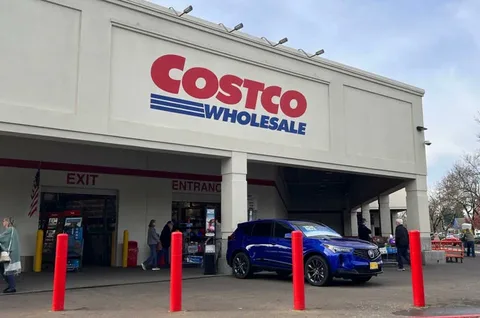
Founded in 1983, Costco thrives on bulk buying, low operating costs, and a curated SKU selection (~4,000 items per warehouse). Its private-label Kirkland Signature products ensure quality while maintaining profitability.
Membership Structure
Costco requires a mandatory membership to shop, with fees of $65 (Gold Star) and $130 (Executive). This creates a dedicated customer base but may deter casual shoppers.
Strengths and Limitations
Strengths include operational efficiency, global reach, and strong brand trust. Limitations lie in standardized product selection and upfront membership fees, creating opportunities for new competitors to differentiate.
Emerging Megastore Rivals
Several new competitors are challenging Costco by adopting innovative models that combine optional memberships, niche products, and local focus.
Optional Membership Megastore Model
Unlike Costco, these stores allow shoppers to browse without committing to a membership. Membership becomes an optional upgrade for discounts and perks, addressing subscription fatigue and economic concerns.
Consumer Benefits:
- Reduced upfront cost
- Opportunity to experience store value before committing
- Loyalty earned through experience rather than obligation
Resco Food Service – The “Asian Costco”
Located in California’s City of Industry, Resco Food Service carries over 5,000 SKUs, mainly Asian groceries. Its $20 optional membership offers additional discounts and perks, catering to everyday shoppers and restaurant owners. Resco’s niche focus highlights the potential for culture-specific stores to compete with mainstream retailers.
BJ’s Wholesale Club Expansion
BJ’s continues to expand strategically, particularly in Texas. With memberships at $60 (standard) and $120 (Club+ with fuel discounts), BJ’s appeals to cost-conscious shoppers. Its wider SKU selection and fuel perks provide a strong regional alternative to Costco.
Megastore: The Low-Cost Alternative
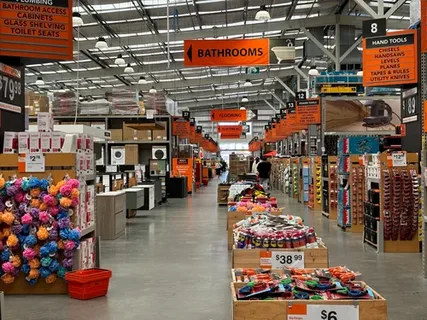
The warehouse retail industry, long dominated by giants like Costco and Sam’s Club, has set standards through bulk-buying models and strong membership loyalty. Costco Rival Launches Megastore, a bold new entrant, positions itself as a budget-friendly option, offering competitive pricing, local sourcing, and a diverse product range without requiring mandatory membership. Its sleek design and accessible layout aim to attract shoppers seeking affordability and convenience, signaling a new era of competition and innovation in the sector.
Advantages of Shopping at Megastore
Shopping at Megastore offers a refreshing alternative for savvy consumers. Competitive pricing, well-organized layouts, customer service, local sourcing, and special promotions enhance the shopping experience while providing tangible savings.
Challenges Faced by Megastore in Competing with Costco
Brand recognition, pricing strategy, strategic location selection, and replicating Costco’s customer experience are key hurdles Megastore must overcome to establish its market presence.
Customer Reviews and Experiences at Megastore
Feedback highlights a mix of praise and criticism—shoppers enjoy selection and pricing, but stock consistency and service can vary. Overall, customer interest is growing as word spreads about Megastore’s offerings.
Is Megastore a Threat to Costco’s Dominance?
While Megastore attracts budget-conscious shoppers, Costco’s loyal base and brand recognition remain strong. Megastore’s low-cost strategy and optional memberships present a challenge, but long-term impact depends on its ability to build trust and maintain competitive value.
Future Plans for Expansion and Growth
Megastore aims to expand nationwide, partner with local suppliers, enhance online shopping capabilities, and implement sustainable practices, positioning itself as a modern and innovative player in retail.
Impact on Communities and Job Markets
Job Creation
Megastore openings generate employment opportunities across floor staff, logistics, management, and more.
Supplier Partnerships and Local Economies
By sourcing locally, these stores foster partnerships with regional farmers and artisans, promoting economic growth and sustainability.
Small Business Disruption
While beneficial for some, Costco Rival megastores may pose challenges to small retailers who cannot match their prices or SKU variety. Balancing competition and collaboration is key for long-term success, as these new entrants reshape the retail landscape and influence consumer expectations.
Challenges and Risks for New Megastores
High Initial Investment, Building Brand Loyalty, Logistics, and Regulatory Hurdles. Strategic planning and adaptability are essential to overcome these obstacles.
Industry Implications

For Traditional Retailers
Encourages flexible memberships, diversification, and innovation in loyalty programs.
For Consumers
More choice, better prices, culturally relevant products, and enhanced shopping experiences.
SWOT Analysis of Emerging Megastore Models
Strengths: Optional memberships, diverse product range, experiential shopping, tech integration.
Weaknesses: Limited brand recognition, supply chain management, few locations.
Opportunities: Target subscription-fatigued consumers, penetrate local markets, integrate e-commerce.
Threats: Costco’s loyal base, BJ’s and Sam’s Club expansion, economic downturns
FAQs
1. What makes these new megastores different from Costco?
They offer optional memberships, diverse products, and focus on local sourcing and unique experiences.
2. Are membership fees required?
No, shoppers can buy without a membership; optional memberships give discounts and perks.
3. How does Resco compete with Costco?
Resco offers 5,000+ Asian grocery SKUs and a $20 optional membership for local and restaurant shoppers.
4. Will BJ’s expansion affect Costco’s market share?
BJ’s may attract budget-conscious shoppers, but Costco’s loyalty and reputation remain strong.
5. What benefits do consumers gain from this competition?
Lower prices, more variety, niche products, and flexible shopping experiences.
Conclusion
The emergence of Costco rivals launching innovative megastores marks a turning point in retail. Optional memberships, specialty offerings, and regional expansions create opportunities for consumers to save, explore diverse products, and enjoy enhanced shopping experiences. While Costco’s dominance remains strong, these competitors are reshaping expectations, driving innovation, and ensuring a future where choice, value, and convenience reign supreme