BPD Test Wondering if you or a loved one might have borderline personality disorder (BPD)? Taking a free BPD test can help you reflect on emotional patterns and behaviors, giving insight into whether professional evaluation might be necessary. Borderline Personality Disorder is a complex mental health condition characterized by emotional instability, impulsive behaviors, and turbulent relationships.
Early awareness and intervention can improve long-term outcomes. This guide covers symptoms, causes, diagnosis, treatment options, subtypes, and coping strategies for BPD.
Take our BPD Test to check for borderline personality disorder symptoms. Quick, accurate, and easy assessment to understand your mental health better..
Understanding Borderline Personality Disorder
Borderline Personality Disorder affects how a person thinks, feels, and interacts with others. It is marked by intense emotions that can change rapidly, impulsive behaviors, difficulty maintaining relationships, and a distorted sense of self. Many individuals with BPD experience overwhelming fears of abandonment, chronic feelings of emptiness, and frequent mood swings. These symptoms often emerge during adolescence or early adulthood, but early recognition and support can significantly improve quality of life.
Individuals with BPD may feel like they are on an emotional rollercoaster, experiencing highs and lows that seem unpredictable. Their relationships can swing from extreme closeness to sudden anger or withdrawal. Impulsivity can lead to risky behaviors, while self-harm may be used as a coping mechanism. Understanding these patterns is essential for early intervention and effective management.
Key Features of BPD
Intense Emotional Responses

One of the most noticeable traits of BPD is emotional instability. Individuals with this disorder often experience emotions more intensely and for longer periods than most people. A minor perceived slight can trigger disproportionate anger, sadness, or anxiety.
Fear of Abandonment
Fear of abandonment is another core characteristic. This fear can lead to frantic attempts to avoid real or imagined rejection. People with BPD may become clingy, overly dependent, or intensely worried about losing the people they care about.
Unstable Relationships
Relationships for people with BPD often oscillate between idealization and devaluation. This unpredictability can make maintaining healthy connections difficult and contribute to feelings of loneliness and rejection.
Impulsivity and Risky Behaviors
Impulsivity is a hallmark of BPD, often expressed through risky behaviors like substance abuse, reckless driving, binge eating, or unsafe sexual activity. These actions may serve as temporary relief from emotional pain but can have long-term consequences.
Chronic Emptiness and Self-Harm
Chronic feelings of emptiness and self-harm tendencies are frequent. Individuals may feel a persistent void, attempting to fill it through external sources like relationships, substances, or impulsive activities. In some cases, self-harm or suicidal ideation arises as a means of coping with emotional distress.
Taking the Free BPD Test
Our free BPD self-assessment test is designed to help you reflect on your emotional patterns and behaviors. It is not a diagnostic tool but a first step toward understanding whether you may have symptoms of BPD.
How the Test Works
To take the test, read each statement carefully and select those that apply to your experiences. Sample statements may include experiencing extreme emotional reactions, struggling with self-identity, having unstable relationships, engaging in risky behaviors, or feeling chronically empty.
Interpreting Your Results
Your results help you understand the severity of potential symptoms. Checking one to three statements suggests occasional emotional challenges that may be normal. Four to six checks may indicate traits linked to emotional dysregulation and relationship difficulties, warranting further exploration. Seven or more checks suggest several core features of BPD, signaling the need for professional evaluation.
Common Symptoms of Borderline Personality Disorder
BPD symptoms can vary widely but often include:
- Intense emotional reactions and mood swings
- Fear of rejection or abandonment
- Unstable self-image
- Impulsivity and risky behaviors
- Anger outbursts and difficulty managing emotions
- Chronic emptiness
- Self-harm and suicidal thoughts
- Dissociation or paranoia under stress
Recognizing these patterns early is crucial for seeking help and preventing complications.
Gender Differences in BPD Symptoms
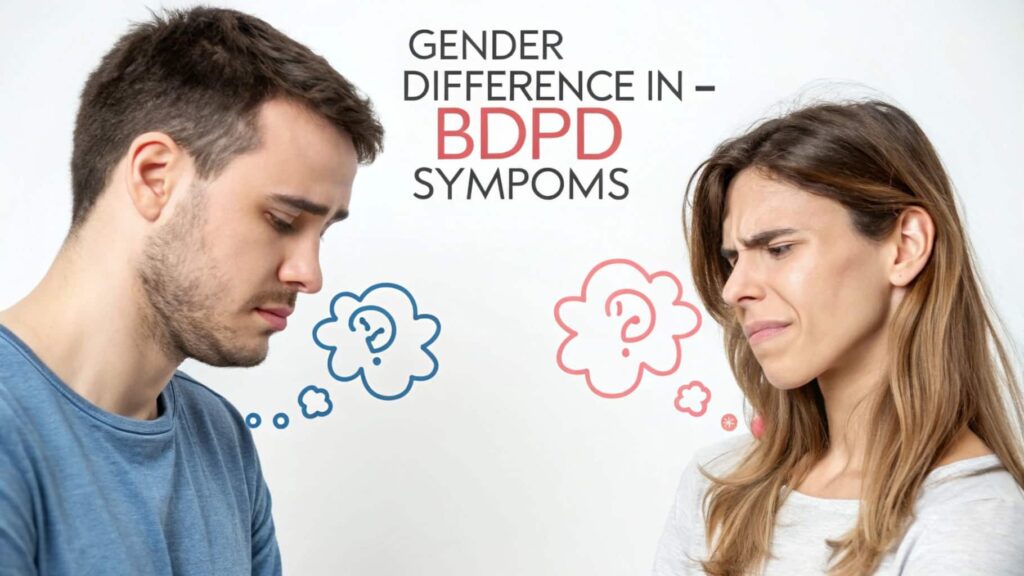
While BPD affects both men and women, symptoms may present differently.
Common Symptoms in Women:
- Intense emotions and mood swings
- Fear of abandonment
- Self-harm or eating disorders
- Anxiety and depression
Common Symptoms in Men:
- Anger and aggressive outbursts
- Impulsive or reckless behavior
- Substance use
- Emotional numbness and difficulty showing vulnerability
Understanding these differences helps improve assessment accuracy and treatment strategies.
Causes of Borderline Personality Disorder
BPD arises from a combination of genetic, neurological, and environmental factors.
Genetic and Neurological Factors
Individuals with a family history of BPD or other mental health disorders may have a higher predisposition. Brain areas responsible for emotion regulation and impulse control may function differently in those with BPD, contributing to heightened emotional sensitivity.
Environmental Factors
Childhood trauma, neglect, or inconsistent parenting can increase vulnerability. Early exposure to stress or lack of emotional support often leads to difficulty managing emotions and forming healthy relationships. Maladaptive coping mechanisms, such as self-harm or substance abuse, may develop as a result.
How Borderline Personality Disorder is Diagnosed
A licensed mental health professional conducts a comprehensive evaluation to diagnose BPD.
Clinical Interviews and Psychological Assessments
Clinical interviews explore behavior patterns, emotional responses, and interpersonal functioning. Psychological assessments, including validated screening tools like the McLean Screening Instrument for BPD (MSI-BPD) or the Borderline Symptom List (BSL-23), help identify symptom patterns.
Reviewing History
A detailed review of medical, psychological, and social history is essential to differentiate BPD from other conditions and ensure accurate diagnosis.
BPD Subtypes and Psychological Patterns
Subtypes of BPD
- Discouraged Borderline: Dependent, clingy, prone to depression
- Impulsive Borderline: Thrill-seeking, risk-taking, energetic
- Petulant Borderline: Irritable, unpredictable, passive-aggressive
- Self-Destructive Borderline: Self-harm, suicidal tendencies
Understanding Splitting
Splitting is a common pattern in BPD, where individuals view people or situations as all good or all bad. This can lead to emotional swings and relationship instability. Therapy helps manage splitting and develop healthier thought patterns.
Treatment Options for BPD

Psychotherapy is the cornerstone of BPD treatment.
Dialectical Behavior Therapy (DBT)
DBT focuses on emotional regulation, reducing self-harm, and improving relationships through practical skills. Studies show that a significant number of patients improve or achieve remission with DBT.
Cognitive Behavioral Therapy (CBT)
CBT addresses unhelpful thought patterns and behaviors, helping patients manage emotional distress and improve interpersonal functioning.
Schema and Psychodynamic Therapy
These therapies explore long-term patterns and past trauma to support lasting emotional growth and behavioral change.
Medication and Teletherapy
While medications do not cure BPD, they can help manage symptoms such as anxiety, depression, or impulsivity. Teletherapy provides flexible access to care, making it easier for individuals to maintain consistent treatment.
Frequently Asked Questions
How accurate are online BPD tests?
Online tests are for self-reflection and do not replace professional diagnosis.
Who should take a BPD test?
Anyone experiencing emotional instability, impulsive behaviors, or turbulent relationships may benefit from self-assessment.
Can BPD be treated?
Yes. Therapy, professional guidance, and coping strategies can significantly improve symptoms and quality of life.
How long does it take to diagnose BPD?
Diagnosis typically requires multiple sessions with a mental health professional to assess behavior patterns, emotional regulation, and history.
What does untreated BPD look like?
Untreated BPD can lead to persistent emotional distress, unstable relationships, impulsive actions, and a higher risk of self-harm or suicidal thoughts.
Conclusion
Borderline Personality Disorder is challenging but treatable. A BPD test helps reflect on emotional patterns and indicates when professional evaluation may be necessary. Early recognition, therapy such as DBT or CBT, and supportive care can improve emotional stability, relationships, and overall quality of life. You are not alone—support, guidance, and effective treatments are available to help navigate life with BPD successfully.