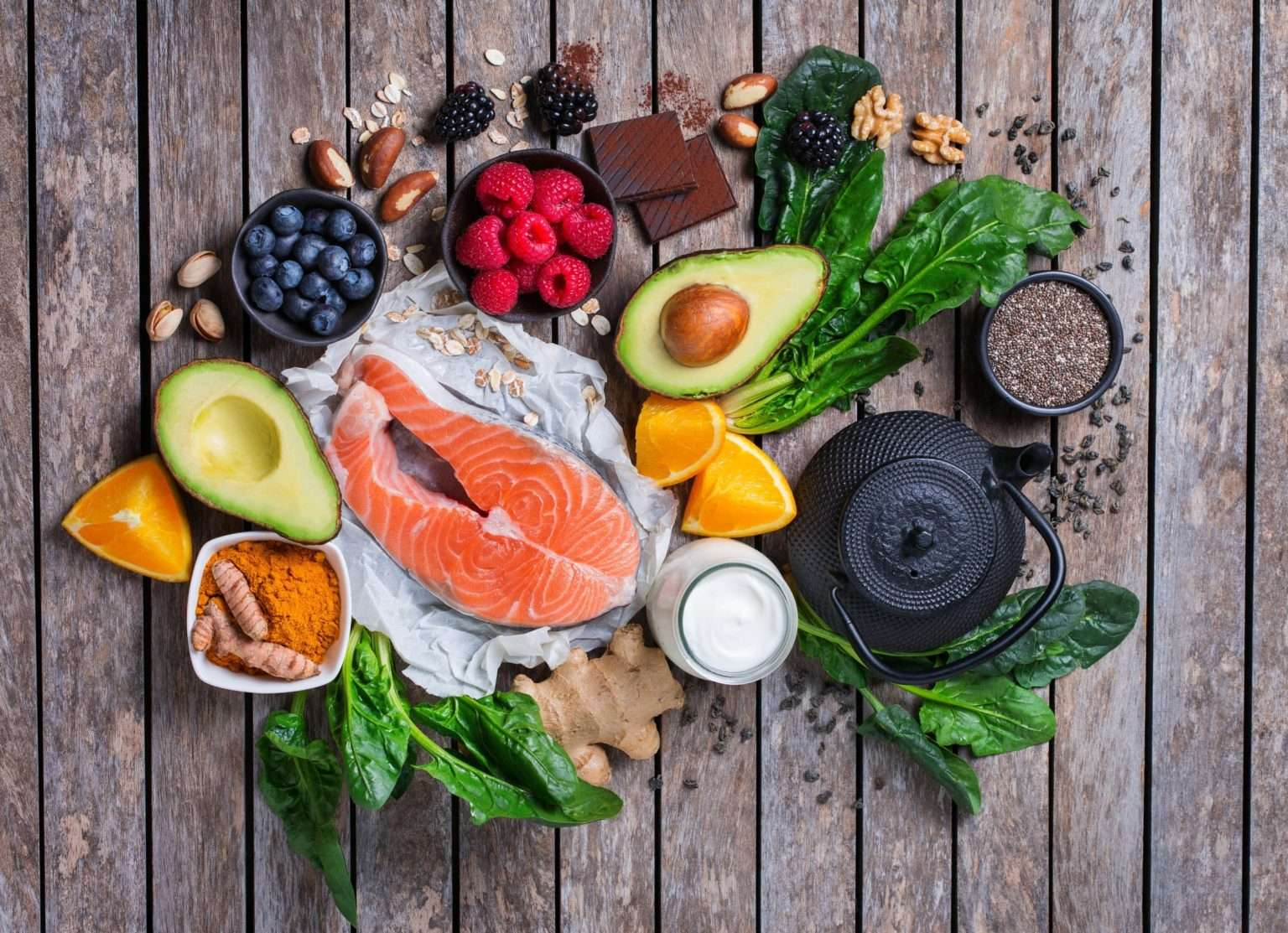
Best Foods for Healthy Living and Energy
Maintaining good health and high energy levels starts with the food we eat. Our diet plays a critical role in keeping our body strong, our mind sharp, and our energy consistent throughout the day. While there’s no single “magic” food for perfect health, incorporating a variety of nutrient-rich foods into your diet can make a huge difference in your overall well-being. This article explores the best foods for healthy living and energy, explaining their benefits in simple, easy-to-understand terms.
1. Leafy Green Vegetables
Leafy greens such as spinach, kale, swiss chard, and romaine lettuce are packed with vitamins, minerals, and fiber. These vegetables are low in calories but high in nutrients like vitamin A, vitamin C, vitamin K, iron, and folate.
- Energy Benefits: Iron in leafy greens helps transport oxygen to your muscles and brain, improving energy levels and reducing fatigue.
- Health Benefits: Vitamin K supports bone health, while antioxidants in greens reduce inflammation and protect against chronic diseases.
Tip: Add a handful of spinach or kale to smoothies, salads, or soups to boost your nutrient intake.
2. Whole Grains
Whole grains include foods like brown rice, oats, quinoa, and whole wheat bread. Unlike refined grains, whole grains retain their fiber, vitamins, and minerals, making them a great choice for sustained energy.
- Energy Benefits: The fiber in whole grains slows down digestion, providing a steady release of energy instead of causing a sudden sugar spike and crash.
- Health Benefits: Whole grains improve digestion, help maintain healthy cholesterol levels, and support heart health.
Tip: Swap white rice or bread with whole-grain versions to increase your energy and nutrient intake.
3. Lean Proteins
Protein is essential for building muscles, repairing tissues, and maintaining a healthy immune system. Lean protein sources include chicken, turkey, eggs, tofu, beans, and fish.
- Energy Benefits: Proteins provide long-lasting energy because they take longer to digest than carbohydrates.
- Health Benefits: Amino acids from protein support muscle health, hormone production, and metabolism.
Tip: Include a protein source in every meal, such as eggs for breakfast or grilled chicken for dinner.
4. Nuts and Seeds
Nuts and seeds like almonds, walnuts, chia seeds, flaxseeds, and pumpkin seeds are nutrient-dense and full of healthy fats, protein, and fiber.
- Energy Benefits: Healthy fats provide sustained energy, keeping you fuller for longer.
- Health Benefits: Nuts and seeds improve heart health, support brain function, and contain antioxidants that fight inflammation.
Tip: Snack on a small handful of nuts or sprinkle seeds over yogurt or salads to boost energy naturally.
5. Fruits
Fruits are naturally sweet, full of vitamins, minerals, antioxidants, and fiber. Berries, oranges, bananas, apples, and mangoes are excellent choices.
- Energy Benefits: Fruits contain natural sugars like fructose, which provide quick energy without the crash of processed sugars.
- Health Benefits: Vitamin C in citrus fruits boosts immunity, while antioxidants in berries protect cells from damage.
Tip: Have a fruit smoothie in the morning or a fruit salad as an afternoon snack to stay energized.
6. Vegetables
Apart from leafy greens, colorful vegetables like carrots, bell peppers, broccoli, sweet potatoes, and zucchini are excellent for energy and overall health.
- Energy Benefits: Vegetables are rich in complex carbohydrates, which provide a steady supply of energy.
- Health Benefits: They reduce inflammation, support eye health, and provide essential vitamins and minerals for daily body functions.
Tip: Include a variety of colorful vegetables in each meal to get a range of nutrients.
7. Yogurt and Fermented Foods
Probiotic-rich foods like yogurt, kefir, kimchi, and sauerkraut promote gut health, which plays a significant role in energy levels.
- Energy Benefits: A healthy gut improves nutrient absorption, which directly impacts your energy levels.
- Health Benefits: Probiotics support digestion, boost immunity, and may even improve mood.
Tip: Start your day with a yogurt parfait with fruits and nuts for a nutrient-packed, energizing breakfast.
8. Healthy Fats
Healthy fats, such as avocados, olive oil, coconut oil, and fatty fish like salmon, are essential for brain health and hormone production.
- Energy Benefits: Fats are a concentrated source of energy and help sustain energy throughout the day.
- Health Benefits: They reduce inflammation, support heart and brain health, and aid in absorbing fat-soluble vitamins (A, D, E, K).
Tip: Use avocado slices in sandwiches or drizzle olive oil over salads to incorporate healthy fats into your diet.
9. Legumes
Beans, lentils, chickpeas, and peas are excellent sources of plant-based protein, fiber, and essential nutrients like iron and magnesium.
- Energy Benefits: Legumes provide slow-digesting carbohydrates that help maintain stable energy levels.
- Health Benefits: They support digestive health, regulate blood sugar, and help reduce cholesterol.
Tip: Make a bean salad or add lentils to soups for a hearty, energizing meal.
10. Water
While not a food, staying hydrated is crucial for energy and overall health. Dehydration can cause fatigue, reduced focus, and headaches.
- Energy Benefits: Water supports the transportation of nutrients, regulates body temperature, and keeps energy levels stable.
- Health Benefits: Proper hydration helps kidney function, digestion, and skin health.
Tip: Aim for at least 8 glasses of water daily, and increase intake if you’re active or live in a hot climate.
Simple Tips for Using Food to Boost Energy
- Eat Balanced Meals: Include proteins, healthy fats, and complex carbohydrates in every meal.
- Snack Smart: Choose nuts, fruits, or yogurt instead of processed snacks.
- Limit Sugar: Avoid sugary drinks and processed snacks that cause energy crashes.
- Stay Hydrated: Drink water regularly to prevent fatigue.
- Variety is Key: Rotate your fruits, vegetables, and protein sources for a wide range of nutrients.
FAQs About Healthy Foods and Energy
1. Can eating certain foods really increase energy?
Yes, foods rich in complex carbs, protein, and healthy fats provide long-lasting energy, unlike sugary snacks, which cause quick spikes and crashes.
2. Are smoothies a good option for energy?
Yes, especially when made with fruits, leafy greens, and protein sources like yogurt or nut butter. Avoid adding too much sugar.
3. How can I maintain energy throughout a busy day?
Eat small, balanced meals and snacks every 3-4 hours, stay hydrated, and include a mix of protein, fiber, and healthy fats.
4. Do supplements replace healthy foods?
No. While supplements can fill nutrient gaps, they cannot provide the complete benefits of whole foods, which contain fiber, antioxidants, and other essential compounds.
5. Which foods are best for boosting morning energy?
A combination of complex carbs, protein, and healthy fats works best. Examples include oatmeal with nuts and fruits, whole-grain toast with avocado, or a smoothie with spinach and yogurt.
Eating the right foods can dramatically improve both your health and energy levels. By including leafy greens, whole grains, lean proteins, nuts, fruits, vegetables, healthy fats, legumes, and staying hydrated, you give your body the tools it needs to perform at its best. Start small by adding one or two of these nutrient-rich foods to your daily routine, and over time, you’ll notice a significant improvement in your energy, focus, and overall well-being.