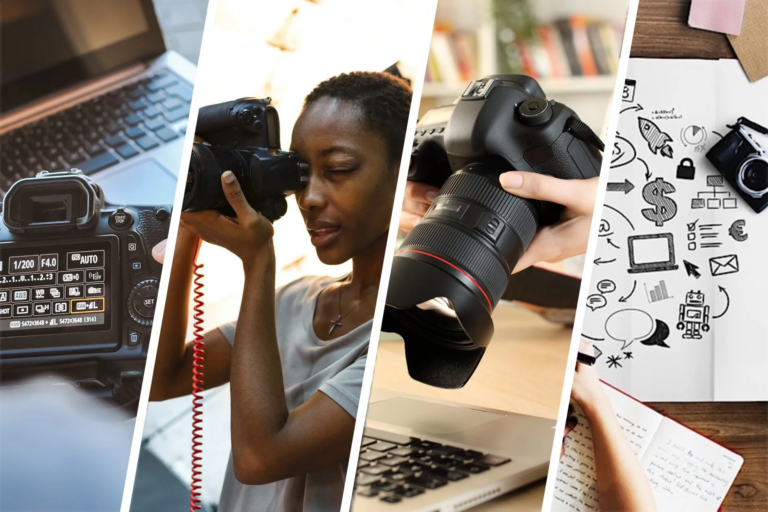
How to Take Professional Photos at Home: A Complete Guide
In today’s digital age, high-quality photos are no longer limited to professional photographers or fancy studios. Whether you want to improve your social media presence, sell products online, or just capture beautiful memories, learning how to take professional photos at home can save time, money, and effort. The good news? You don’t need a fancy camera or expensive equipment. With some simple techniques, creativity, and planning, you can make your home look like a professional photography studio.
In this article, we’ll explore practical tips, tools, and strategies to help you take stunning professional photos at home.
1. Understand Your Camera
The first step in taking professional photos is understanding the device you are using. Most modern smartphones have cameras capable of producing high-quality images. If you own a DSLR or mirrorless camera, even better. Here are some key points to consider:
- Know the Settings: Learn about ISO, aperture, shutter speed, and white balance. Adjusting these can dramatically improve your photo quality.
- Use Manual Mode: If possible, use manual mode to control exposure, focus, and lighting.
- Keep Your Lens Clean: Smudges and dust can ruin a photo, so always clean your lens before shooting.
Even if you use a smartphone, make sure you explore its camera features like portrait mode, grid lines, and HDR settings.
2. Create the Right Lighting
Lighting is arguably the most important factor in photography. Poor lighting can make a professional setup look amateurish, while good lighting can transform a simple room into a studio.
- Natural Light: Use windows to your advantage. Soft, diffused sunlight creates flattering, professional-looking photos. Morning or late afternoon light is ideal.
- Artificial Light: If natural light is insufficient, use lamps, LED lights, or ring lights. Place the light source at a 45-degree angle to your subject for a soft, professional effect.
- Avoid Harsh Shadows: Use white sheets or reflectors to bounce light and reduce shadows. Even a piece of white cardboard can work as a reflector.
3. Choose the Right Background
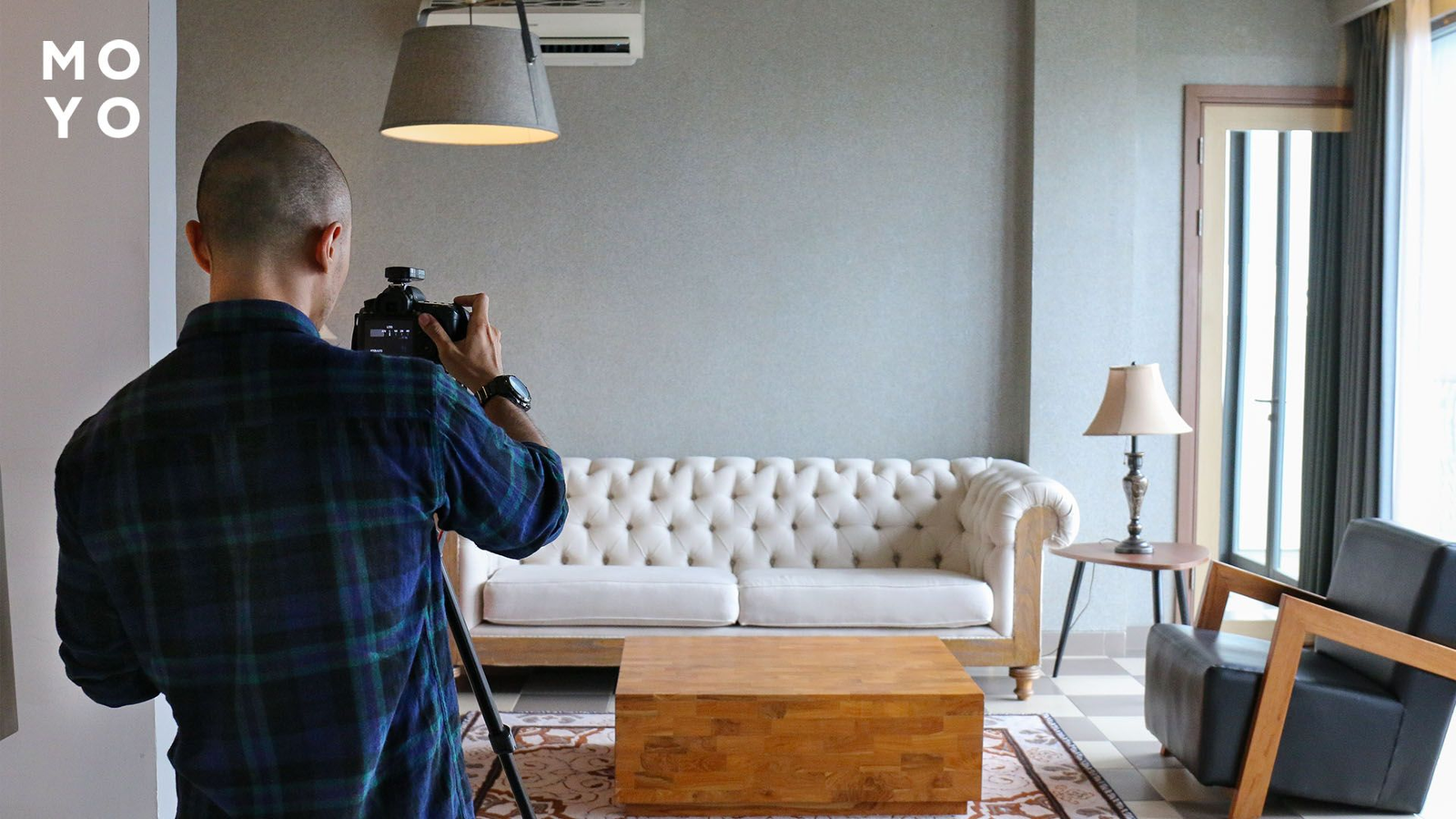
A clutter-free background can make a huge difference in professional photography. Here’s how to make your photos look more polished:
- Solid Colors: Walls in neutral colors like white, gray, or pastel shades are perfect for product or portrait photography.
- Simple Decor: If you want props or furniture, keep them minimal to avoid distraction.
- DIY Backdrops: Use fabrics, paper, or even printed textures as backdrops for a creative and professional look.
Remember, the goal is to make your subject stand out, not the background.
4. Master Composition and Angles
Composition is how you arrange elements in a photo. A well-composed photo looks professional and visually appealing.
- Rule of Thirds: Imagine your frame divided into nine equal parts. Place your subject along these lines or intersections for a balanced photo.
- Leading Lines: Use objects like furniture, curtains, or pathways to guide the viewer’s eye toward the subject.
- Experiment with Angles: Don’t just shoot straight-on. Try high angles, low angles, or side shots to create depth and interest.
Professional photos often combine creativity with simple compositional rules.
5. Use Props Wisely
Props can enhance your photos, especially for product photography or themed shoots. Here are some tips:
- Keep It Relevant: Props should complement the subject, not distract from it.
- Use Textures: Wooden boards, fabrics, and small decorative items can add depth and dimension.
- Consistency: Use similar props for a cohesive style across multiple photos.
Avoid overcrowding your frame. Less is often more in professional photography.
6. Focus and Clarity
A blurry photo can ruin the professionalism of an image. Here’s how to maintain focus and clarity:
- Steady Your Camera: Use a tripod or stable surface to avoid camera shake.
- Tap to Focus: On smartphones, tap the subject on the screen to ensure it’s in sharp focus.
- Depth of Field: Experiment with a shallow depth of field (blurry background) to highlight your subject.
Even small adjustments in focus can significantly elevate the quality of your photos.
7. Editing for a Professional Finish
Even the best photos benefit from editing. You don’t need complicated software; simple apps can do wonders.
- Brightness and Contrast: Adjust lighting to enhance clarity.
- Color Correction: Tweak saturation, temperature, and tones for a polished look.
- Cropping and Straightening: Align your subject properly and remove unnecessary background elements.
Popular editing apps include Adobe Lightroom, Snapseed, and VSCO. Consistent editing style helps maintain a professional look across all your photos.
8. Practice Makes Perfect
Photography is an art that improves with practice. Take multiple shots, experiment with lighting, angles, and props, and don’t be afraid to make mistakes. Review your photos, analyze what works, and gradually develop your unique style.
FAQs
1. Can I take professional photos with a smartphone?
Absolutely! Modern smartphones have advanced cameras capable of producing professional-quality photos, especially when you use good lighting and proper composition.
2. How important is lighting in home photography?
Lighting is critical. Natural light is ideal, but if unavailable, using artificial lights strategically can achieve professional results.
3. Do I need expensive equipment?
No. You can take professional photos with a smartphone, basic tripod, and some DIY lighting or props. Knowledge and technique matter more than equipment.
4. How do I make my photos look consistent?
Maintain a consistent style in lighting, editing, backgrounds, and props. This gives your photos a professional and cohesive look.
5. How long does it take to learn professional photography at home?
It varies depending on practice and commitment. With regular practice, you can see noticeable improvements in a few weeks.
Conclusion
Taking professional photos at home is completely achievable with the right techniques, creativity, and patience. Understanding your camera, mastering lighting, composing thoughtfully, using props wisely, and editing carefully can elevate your photography to a professional level. Remember, the key is consistent practice and attention to detail. Whether it’s for social media, online business, or personal memories, your home can become your very own photography studio.