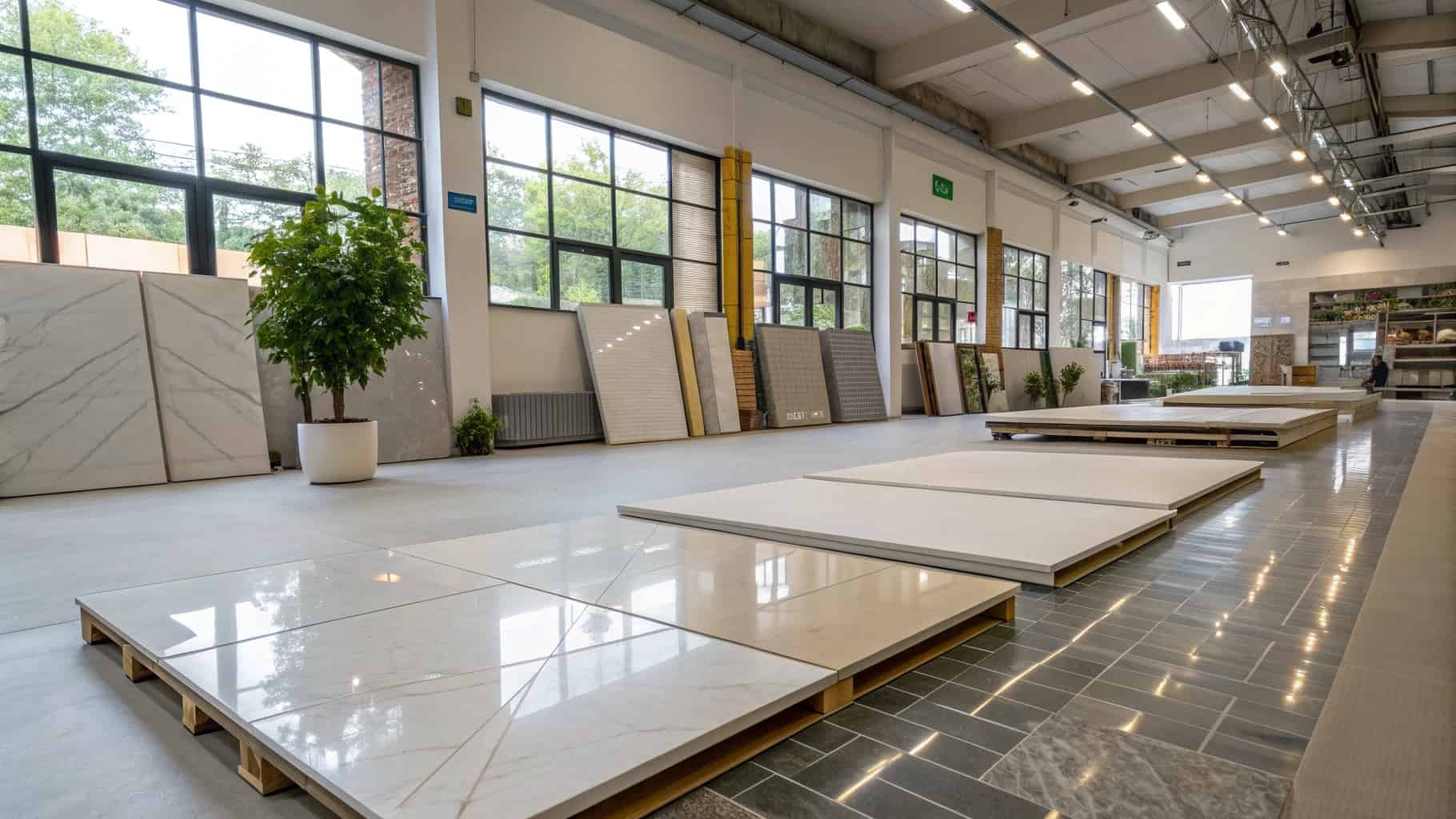
Sodiceram: Innovation, Design & Sustainable Ceramics
Ceramics have been used for centuries across architecture, design, art, and engineering. However, the emergence of advanced material science has reshaped how ceramics are created, strengthened, and adapted for modern use. Sodiceram represents one of the most significant breakthroughs in this evolution. Built on the idea of integrating sodium-based compounds into ceramic structures, Sodiceram has transformed traditional ceramic properties—making them stronger, more durable, more flexible, and more sustainable.
In today’s world, where innovation and eco-friendly solutions are essential, Sodiceram has not only modernized interiors but also introduced a new pathway for performance-driven ceramic technology. This detailed 2200-word guide explores its history, chemical foundation, strengths, design applications, sustainability efforts, corporate governance, and future expansion plans.
The History and Evolution of Sodiceram
The journey of Sodiceram began with research into how altering chemical compositions of traditional ceramics could improve strength and reduce brittleness. Material scientists discovered that sodium compounds could enhance internal bonding during the firing process. Early trials aimed at increasing shock resistance later evolved into full-scale ceramic engineering.
As industries sought ceramics that could withstand higher temperatures, maintain aesthetic finishes, and resist cracking, Sodiceram emerged as the ideal solution. Through consistent R&D, the company expanded into interior design, architectural ceramics, and specialty industrial applications.Today, Sodiceram stands as a modern ceramics pioneer, known for combining scientific innovation with artistic craftsmanship.
What Does the Name “Sodiceram” Stand For?
“Sodiceram” is a combination of two root concepts:
- Sodi – representing sodium-based enhancements
- Ceram – referring to ceramic materials
Together, the name reflects the brand’s core identity: ceramics strengthened, stabilized, and enhanced with sodium to achieve next-generation performance.
How Does Sodiceram Differ From Conventional Ceramics?
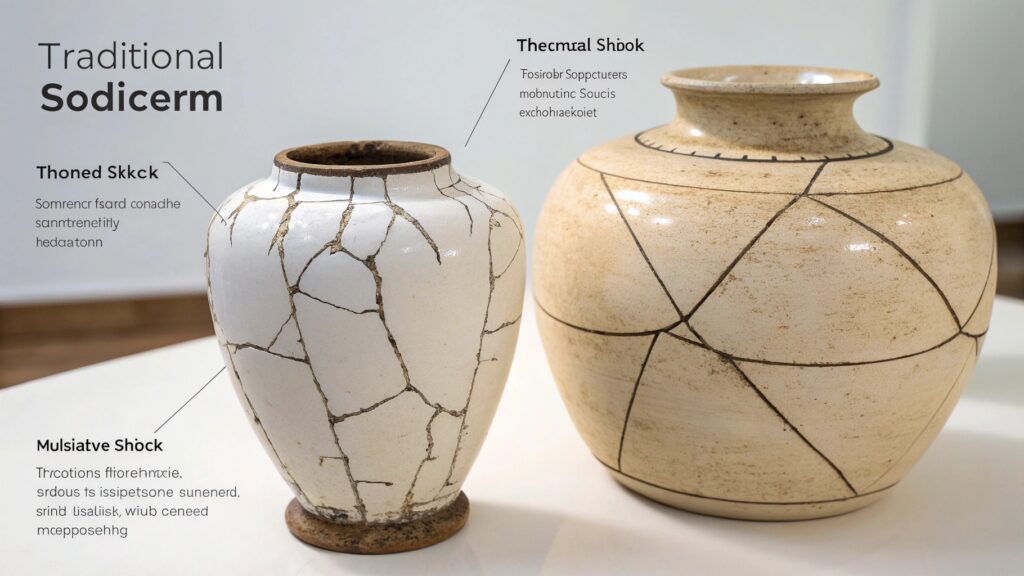
Traditional ceramics rely heavily on clay and silica composition. While they are durable, they are also brittle and prone to cracking. Sodiceram introduces sodium compounds that improve:
- Thermal shock resistance
- Flexibility and impact absorption
- Moisture resilience
- Surface smoothness and consistency
- Lower firing temperature needs
These features help extend product life while reducing production defects.
The Benefits of Using Sodium-Based Compounds in Ceramics
Sodium-based additives create chemical bonds that significantly strengthen ceramic structures. Some key benefits include:
1. Increased Density and Durability
The ceramic becomes more compact, resulting in less porosity and greater longevity.
2. Enhanced Thermal Stability
Sodium helps ceramics withstand extreme temperature changes without cracking.
3. Improved Aesthetic Quality
It leads to more uniform surfaces and enhanced color retention.
4. Better Chemical Resistance
Sodiceram ceramics resist stains, water absorption, and chemical erosion.
What Are the Limits and Trade-offs in Sodium Incorporation?
Although sodium incorporation offers many advantages, it must be controlled carefully. Excessive sodium may cause:
- Surface dullness
- Reduced gloss
- Uneven firing outcomes
- Altered color behavior
- Increased sensitivity during kilning
Manufacturers regulate sodium levels to balance performance and appearance.
What Are Its Limitations or Failure Modes?
Even superior ceramics come with possible limitations. Sodiceram may experience:
- Thermal shock failure if exposed to extreme temperatures suddenly
- Surface micro-cracks under excessive pressure
- Glaze inconsistencies if sodium is not uniformly distributed
- Porosity issues in improperly mixed batches
However, rigorous quality control reduces these risks significantly.
Types of Ceramics Produced with Sodiceram
Sodiceram is used across many product categories:
- Interior tiles
- Wall cladding and decorative panels
- Floor ceramics
- Handcrafted art ceramics
- Kitchen and bath ceramics
- Heat-resistant industrial ceramics
This diversity makes it suitable for both aesthetic and performance-driven applications.
Sodiceram’s Product Range and Design Styles
Sodiceram provides one of the widest collections of ceramic styles:
- Matte finishes
- Glossy and semi-polished surfaces
- Textured and patterned ceramics
- Rustic and natural stone-inspired designs
- Modern minimalist slabs
- Color-rich decorative pieces
Whether the requirement is industrial solidity or high-end luxury décor, Sodiceram offers tailored solutions.
The Advantages of Using Ceramic for Interior Design
Ceramic has always been a preferred choice among architects and interior designers because it provides:
- Longevity and low maintenance
- Moisture, stain, and heat resistance
- Aesthetic versatility
- Hygienic and non-porous surfaces
- Compatibility with modern architecture
Sodiceram enhances all these advantages with improved durability and sustainability.
Advantages and Limitations of Sodiceram
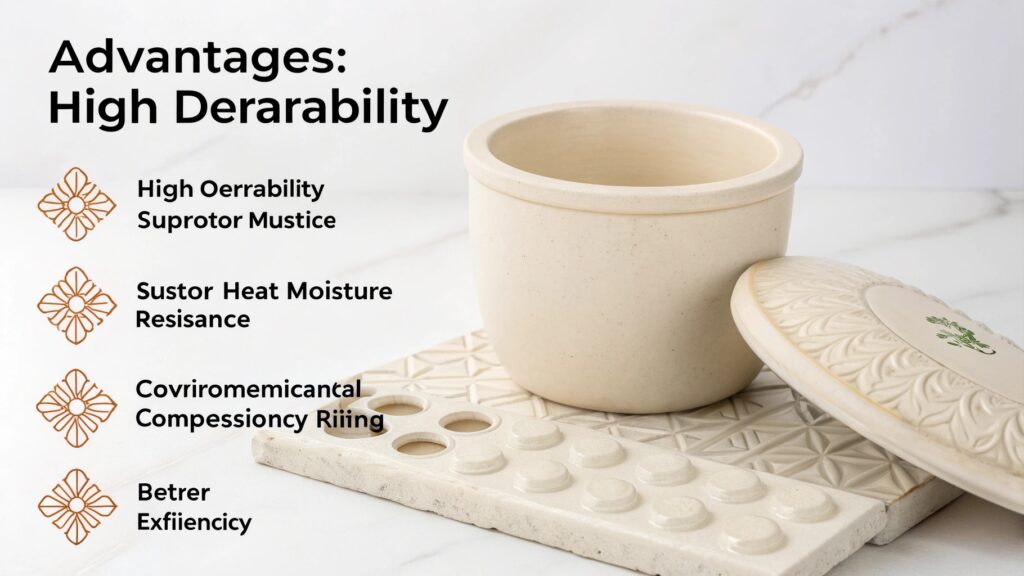
Advantages:
- High durability
- Superior heat and moisture resistance
- Environmentally friendly composition
- Aesthetic consistency
- Better firing efficiency
- Reduced risk of cracking
Limitations:
- Slightly higher cost due to advanced materials
- Requires precision during manufacturing
- Limited availability in certain regions
Eco-Friendly Practices and Sustainability
Sodiceram uses eco-conscious manufacturing practices such as:
- Low-energy kilns
- Recyclable materials
- Water reuse systems\
- Reduced mining of raw materials
- Minimal waste generation
These methods reduce environmental impact while improving production efficiency.
Sustainability and Environmental Impact of Sodiceram
Sodium-based ceramics are more eco-friendly than many traditional materials due to:
- Lower carbon emissions
- Reduced reliance on heavy minerals
- Longer product lifespan
- Lower chemical waste during glazing
These benefits make Sodiceram a sustainable choice for green buildings and eco-projects.
Customer Testimonials and Success Stories
Customers frequently highlight:
- Long-lasting strength
- Beautiful, modern finishes
- Low maintenance
- Reliable performance in high-traffic areas
Designers praise its consistency and suitability for luxury interiors, while homeowners appreciate the ease of cleaning and durability.
Legal and Corporate Governance at Sodiceram
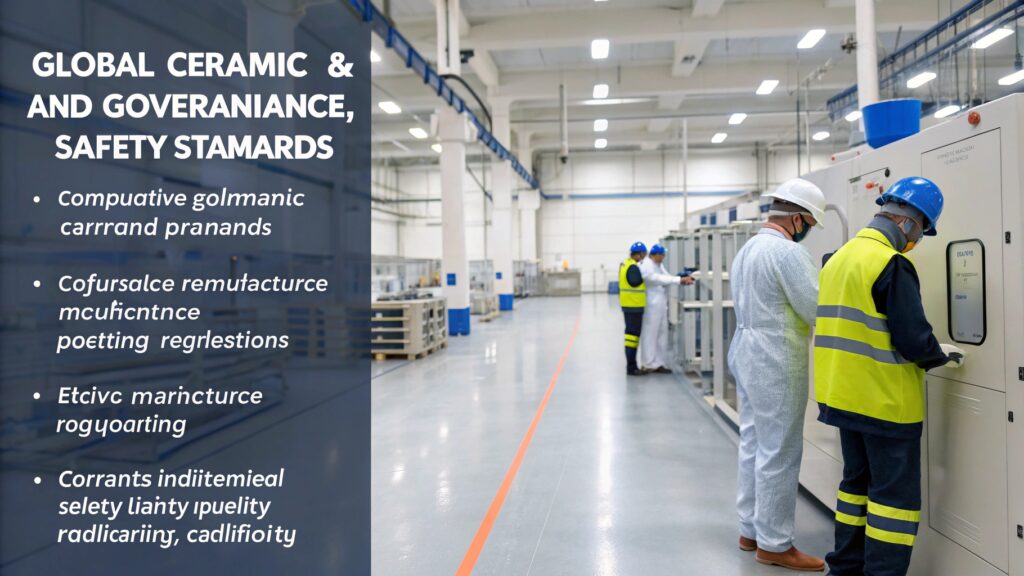
Sodiceram adheres to strict industrial safety and governance standards:
- Compliance with global ceramic manufacturing regulations
- Ethical sourcing of raw materials
- Worker safety protocols
- Transparent corporate reporting
- Quality and environmental certifications
This ensures trust and credibility in global markets.
Future Plans and Expansion for Sodiceram
Sodiceram aims to:
- Expand into international interior design markets
- Introduce new sodium-based ceramic technologies
- Develop ultra-lightweight ceramic slabs
- Grow its architectural ceramics range
- Implement smarter, greener production models
These developments will further solidify its place in the modern ceramics industry.
Quality Assurance and CustomerSatisfaction
Quality is at the core of Sodiceram’s identity. Every piece undergoes:
- Surface quality inspections
- Heat resistance testing
- Structural durability checks
- Glaze consistency evaluation
Customer feedback plays an essential role in continuous improvement, helping Sodiceram maintain exceptional standards.
FAQs About Sodiceram
What is Sodiceram?
Sodiceram is a sodium-enhanced ceramic material designed for durability, heat resistance, and aesthetic appeal.
How is it different from regular ceramics?
It incorporates sodium compounds to improve strength, reduce brittleness, and enhance thermal stability.
What products use Sodiceram?
Tiles, wall panels, flooring, art ceramics, and high-performance industrial pieces.
Is Sodiceram eco-friendly?
Yes, it uses low-energy kilns, recyclable materials, and reduces waste during production.
What are its limitations?
Excess sodium can affect gloss or firing consistency, and precise manufacturing is required.
Can it be used in interior design?
Absolutely — it is ideal for modern interiors, kitchens, bathrooms, and decorative projects.
Conclusion
Sodiceram stands as a pioneering force in the ceramic industry. Its sodium-enhanced formula, technical innovations, sustainability focus, and extensive design range make it a premium choice for interior design, architectural use, and commercial applications. By combining traditional craftsmanship with cutting-edge material science, Sodiceram has redefined what modern ceramics can achieve. With ongoing expansion and commitment to quality, it continues to shape the future of the global ceramics market.
Related posts: