Asbestlint: Uses, Risks, and Safety Guidelines Explained
Asbestlint is a term used to describe either asbestos-containing lint or asbestos-related warning tape. It can appear as microscopic fibers that resemble lint or as brightly colored tape used to indicate asbestos hazards. Although asbestos use has been heavily regulated, asbestlint remains a concern in older buildings and industrial sites. Understanding what it is, where it comes from, and how to handle it safely is essential for homeowners, construction workers, and anyone involved in renovation or demolition projects.
This guide provides a comprehensive explanation of asbestlint, covering its sources, health effects, legal considerations, detection methods, removal practices, and preventive measures.
Discover what Asbestlint is, its applications, health risks, and essential safety measures to protect yourself and ensure safe handling in homes and industries.
Understanding Asbestlint
Definition and Meaning
The term asbestlint combines “asbestos” and “lint.” In practical terms, it can refer to two main forms:
- Warning or barrier tape used in asbestos removal areas. This tape is usually brightly colored with printed warnings and is used to prevent unauthorized access. It does not contain asbestos itself.
- Fine asbestos fibers that resemble lint. These are produced when asbestos-containing materials degrade or are disturbed, releasing microscopic fibers into the air.
While warning tape serves a safety function, airborne asbestos fibers are hazardous and must be handled with extreme caution.
Difference from Other Asbestos Products
Asbestlint differs from traditional asbestos products such as tiles, boards, or cement sheets. Its fibers are extremely small and lightweight, making them easily airborne. This characteristic makes asbestlint particularly dangerous because inhaling these fibers can lead to severe respiratory diseases over time.
Early Use of Asbestos
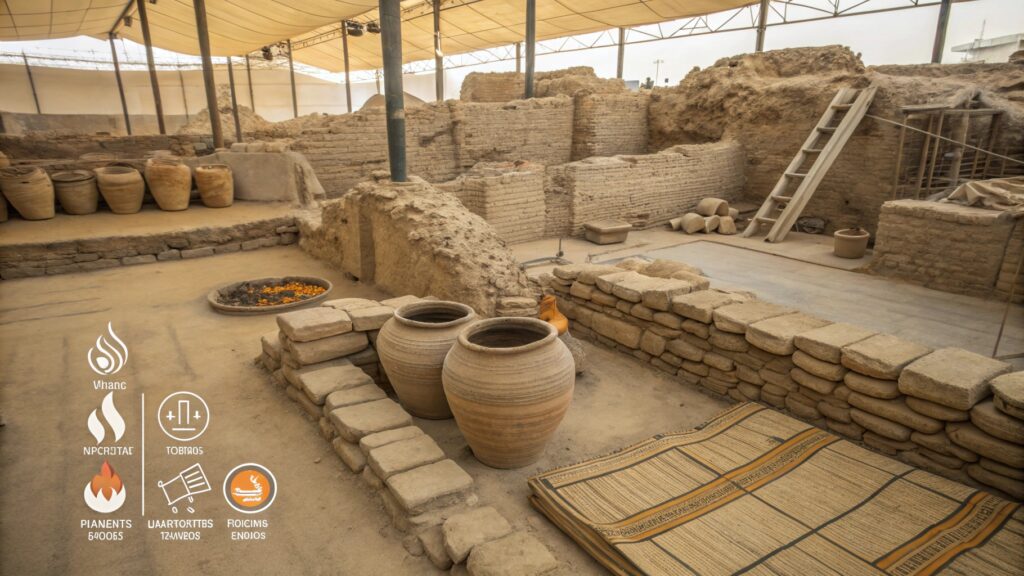
Asbestos has been used for thousands of years due to its durability, fire resistance, and insulating properties. In the 20th century, it became widely incorporated into construction materials, including roofing, pipes, insulation, cement sheets, and fireproof textiles.
Emergence of Asbestlint
Asbestos-containing tapes and wraps were commonly used to insulate pipes, boilers, and ducts. Over time, as these materials aged and deteriorated, they often broke down into fine lint-like fibers, which we now refer to as asbestlint.
Modern Awareness and Regulation
As the health risks of asbestos became widely recognized, regulations were introduced to control its use and removal. Today, most countries strictly regulate asbestos handling, requiring trained professionals to manage asbestlint safely during renovation, demolition, or abatement activities.
Sources of Asbestlint
Asbestlint can originate from multiple sources in residential, commercial, and industrial settings. Common sources include:
| Source | Description |
| Pipe and Boiler Insulation | Asbestos tape used for thermal insulation, which can deteriorate into lint-like fibers |
| HVAC Ducts | Older duct insulation can release asbestos fibers when damaged |
| Walls and Ceilings | Sprayed asbestos coatings, plaster, and cement boards can produce lint upon degradation |
| Automotive Components | Brake pads, clutches, and gaskets that contain asbestos may release fibers during use or repair |
Even minor disturbances of these materials can release dangerous fibers, emphasizing the importance of professional assessment and safe handling practices.
History of Asbestos and Asbestlint

Asbestos fibers are naturally occurring silicate minerals with exceptional heat and chemical resistance. There are three primary types:
- Chrysotile (white asbestos): Curly fibers, the most commonly used.
- Amosite (brown asbestos): Straight, more hazardous when airborne.
- Crocidolite (blue asbestos): Extremely fine fibers, highly toxic.
The lint-like nature of asbestos fibers allows them to remain suspended in air for long periods. When inhaled, these fibers penetrate deep into the lungs and remain lodged for decades, increasing the risk of serious diseases.
Health Risks of Asbestlint
Exposure to asbestlint can lead to severe and often fatal diseases. The most common conditions include:
- Asbestosis: A chronic lung disease caused by scarring due to inhaled fibers.
- Mesothelioma: A rare but aggressive cancer affecting the lining of the lungs or abdomen.
- Lung Cancer: Particularly in individuals who smoke and are exposed to asbestos.
- Pleural Disorders: Thickening or inflammation of the lining of the lungs.
The latency period for symptoms can be extensive, ranging from 15 to 50 years after exposure, making prevention and early intervention crucial.
Legal and Safety Regulations
Asbestos handling, including asbestlint, is strictly regulated. Authorities such as OSHA in the United States and the European Union have detailed requirements for safe management. Regulations typically cover:
- Proper labeling and warning signage.
- Use of personal protective equipment (PPE).=
- Safe removal, containment, and disposal methods.
- Licensing requirements for contractors.
Violating these regulations can result in severe legal penalties, making compliance essential for workplaces and homeowners.
Detection and Identification
Detecting asbestlint requires specialized methods:
- PLM (Polarized Light Microscopy): Identifies fiber structure in samples.
- TEM (Transmission Electron Microscopy): Detects very small airborne fibers.
- XRD (X-ray Diffraction): Determines the mineral type of asbestos.
Visual identification alone is insufficient. Professional inspection is the safest way to confirm the presence of asbestos fibers.
Safe Handling Practices
Handling asbestlint safely involves multiple precautions. The area should be sealed, and the use of protective clothing, respirators, and gloves is mandatory. Wet methods can help prevent fibers from becoming airborne. It is crucial never to vacuum asbestlint with ordinary household equipment; specialized HEPA-filtered vacuums are necessary. Only trained and certified professionals should manage asbestos removal to minimize health risks.
Removal and Abatement
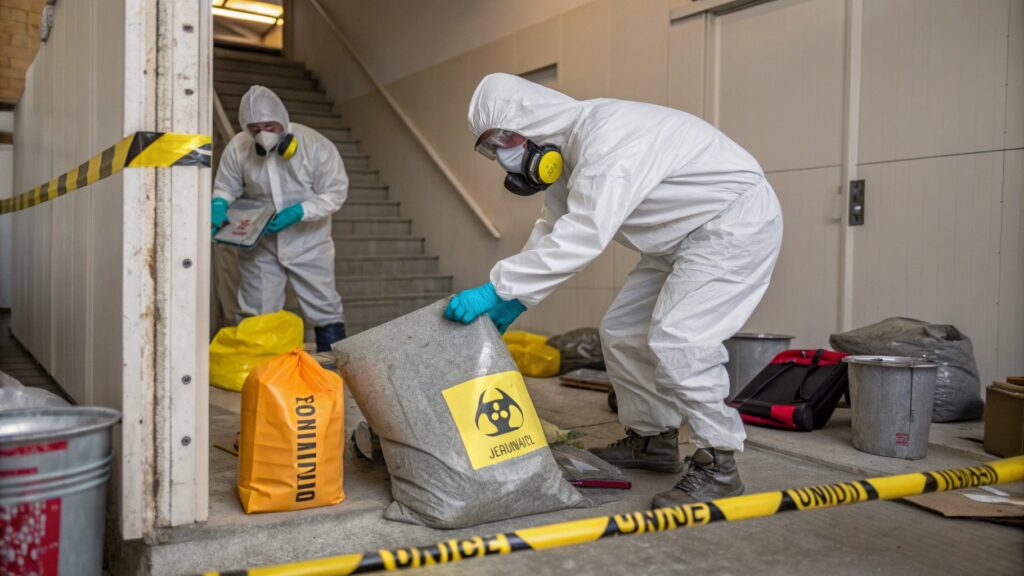
Professional abatement is the only recommended method for removing asbestlint. Methods include:
- Encapsulation: Sealing the material to prevent fiber release.
- Complete Removal: Carefully extracting the material using controlled procedures.
- Proper Disposal: Transporting asbestos waste to licensed hazardous waste facilities.
DIY removal is strongly discouraged due to the high risk of exposure and potential legal issues.
Case Studies
Case Study 1: During the renovation of a 1970s residential home, old pipe insulation released asbestlint fibers. Certified professionals contained and safely removed the material, preventing exposure.
Case Study 2: An industrial HVAC system contained deteriorated asbestos insulation. The facility employed professional abatement and HEPA air filtration, illustrating the importance of trained personnel and safety protocols.
Prevention and Future Outlook
Preventing exposure to asbestlint involves regular monitoring of older buildings, proper maintenance of asbestos-containing materials, and education on safe handling. With stricter regulations and safer alternatives, the prevalence of asbestos-related incidents is expected to decline. Nonetheless, awareness and preventive measures remain vital for public health and safety.
FAQs About Asbestlint
Can asbestlint be safely disturbed if it appears as lint dust?
No, disturbing it can release hazardous fibers; always call a professional.
Is asbestlint dangerous if it is encapsulated?
Properly sealed materials pose minimal risk, but any damage can release fibers.
Can household cleaners remove asbestlint?
Ordinary cleaners cannot safely remove asbestos fibers and may worsen contamination.
Does asbestlint affect ventilation systems?
Yes, fibers can circulate through HVAC systems, spreading contamination.
Are children more vulnerable to asbestlint exposure?
Yes, children’s developing lungs are more sensitive to airborne asbestos fibers.
Can asbestlint be transported safely if found during renovation?
Yes, but only under strict regulations. Asbestos-containing materials, including lint-like fibers, must be sealed in labeled, airtight containers and transported to licensed disposal facilities. Improper transport can spread fibers and violate the law.
How can pets be affected by asbestlint in the home?
Pets can inhale airborne fibers just like humans, and they can also carry fibers on their fur, spreading contamination to other areas of the home. Keeping pets away from suspected asbestos areas is critical.
Is there a safe threshold of exposure to asbestlint?
There is no completely safe level of asbestos exposure. Even very small amounts of fibers inhaled over time can increase the risk of asbestosis, mesothelioma, or lung cancer.
Can renovations disturb hidden asbestlint even if the material looks intact?
Yes, activities like drilling, sanding, or removing panels can release fibers even from seemingly intact asbestos-containing materials. Professional assessment is essential before any work.
How long can asbestlint remain hazardous in a building?
Asbestos fibers are extremely durable and can remain dangerous for decades or even centuries if disturbed. Proper containment and monitoring are required to prevent exposure.
Conclusion
Asbestlint is a hazardous substance that can appear as lint-like fibers or safety tape in older structures. Its microscopic fibers pose significant health risks, including lung diseases and cancer. Understanding its sources, detection, legal regulations, and safe handling methods is essential. Professional removal, strict adherence to safety protocols, and preventive measures ensure that both residents and workers are protected from potential exposure.